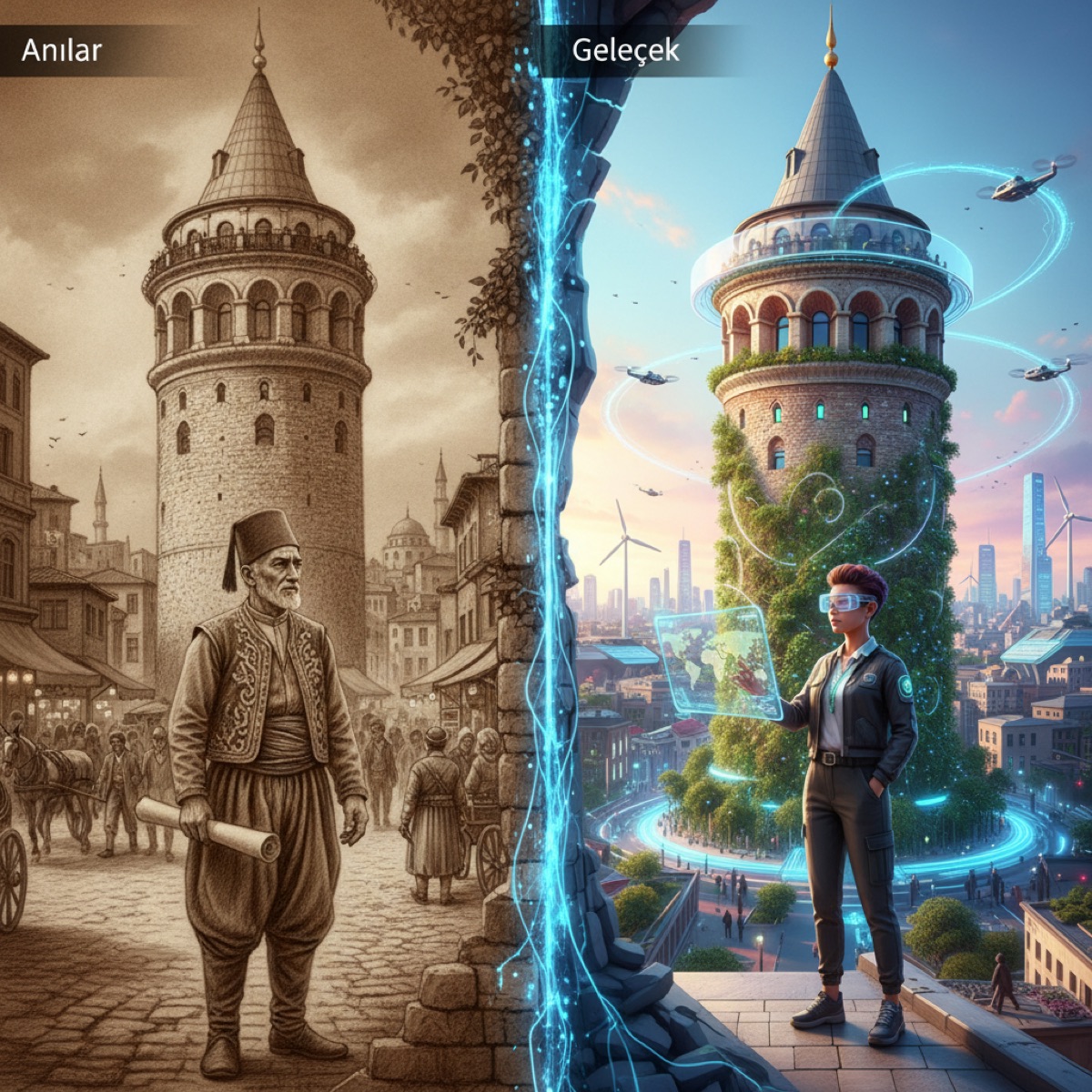
Rising in the heart of Istanbul as a monumental structure defying time, the Galata Tower is not merely a pile of stones, but also a monument that whispers the soul of the city. This unique structure has witnessed countless events over centuries, absorbing the melodies echoing in the wind and the rustling of the sea, bringing all these Sounds of Galata Tower to the present day. As we arrive in 2026, the echoes of this historic structure are still in our ears; its architecture, unknown stories, and changing purposes continue to captivate its visitors. For a deeper dive into its historical significance, particularly its influence on art, check out Galata Tower: One Icon, a Thousand Reflections – Istanbul's Mirrored Legacy in Art History (2026).
The Historical Journey of the Galata Tower and its Enduring Sounds
The origins of the Galata Tower date back to the 6th century, during the Byzantine Empire. However, the structure we see today was built in 1348 by the Genoese under the name "Christea Turris" (Tower of Christ). After Fatih Sultan Mehmet's conquest of Istanbul, the tower passed to the Ottoman Empire and underwent numerous changes over time. Each period added a new identity and new Sounds of Galata Tower to the tower.
Genoese Period: The Rustle of Trade and the Sea
For the Genoese, the Galata Tower was a strategic point for overseeing commercial activities and defense. During this period, when the Genoese kept records of goods arriving from the port and collected customs revenues, it's possible to imagine Italian conversations, the sounds of loading and unloading, and the waves of the sea echoing in the tower. Its function during this period gave the tower a melody reflecting the trade atmosphere of the time, contributing to the rich Sounds of Galata Tower.
Ottoman Period: Fire Observation and Ottoman Military Band Marches
During the Ottoman period, the Galata Tower was used as Istanbul's most important fire lookout tower. From one of the city's highest points, observers who followed the smoke would blow trumpets and beat drums to alert the public about fires. This added dramatic and warning Sounds of Galata Tower to the tower. Additionally, the Ottoman military band marches echoing around the base of the tower recall the powerful and glorious periods of the Ottomans. The tower underwent many repairs and reinforcements during this process.
Modern Period: The Harmony of Tourism and Culture
Today, the Galata Tower is one of Istanbul's most important symbols and tourist attractions. The whispers of visitors, the clicks of camera shutters, conversations in different languages, and music echoing from above constitute the modern-day Sounds of Galata Tower. The clinking of cutlery and live music performances heard in the restaurant and cafeteria sections are also part of this commotion. For insights into its potential future, including its role in scientific endeavors, read about Galata Tower: A Gateway to Space? From Meteorite Observations to Space Tourism in 2026.
Architectural Structure and Unknowns of the Galata Tower
With its cylindrical body and conical roof, the Galata Tower is an aesthetically captivating structure. Its height reaches approximately 67 meters above sea level, offering panoramic views of Istanbul. Its interior is a masterpiece of stonework and engineering. The tower walls are approximately 3.75 meters thick, and its centuries-defying durability is due to this solid structure. The very stones seem to hold the ancient Sounds of Galata Tower.
Hezarfen Ahmed Çelebi and the Whisper of Wings
One of the most interesting stories associated with the Galata Tower belongs to the 17th-century inventor Hezarfen Ahmed Çelebi. According to legend, Hezarfen climbed to a room in the tower with wings he developed himself, launched into the void, and glided to Üsküdar, making history. This daring flight added an echo of freedom and inspiration to the Galata Tower. We seem to hear the whispers of his wings in the wind, which is a completely different timbre among the Sounds of Galata Tower. You can learn more about the Ottoman period's rich history and engineering marvels on the Britannica Ottoman Empire page.
Secret Rooms and Legendary Passages
Like many old structures, there are mysterious stories and legends told about the Galata Tower. Rumors of secret passages or rooms within the tower ignite visitors' imaginations. Although there is no scientific evidence for these legends, they contribute to the mystical atmosphere of the tower. Who knows what Sounds of Galata Tower of the past are hidden in the depths of the tower?
Galata Tower in 2026: Tourism and Technology Integration
As of 2026, the Galata Tower stands out not only with its history and architecture but also with its modern tourism approaches. Technology is actively used to enrich the visitor experience at the tower, allowing new ways to experience the Sounds of Galata Tower.
Digital Guides and Augmented Reality Experiences
Tourists visiting the tower can benefit from digital guides via their smartphones or special devices provided by the tower. Through augmented reality (AR) applications, it is possible to watch historical re-enactments or Hezarfen's flight in 3D at specific points within the tower. Such applications bring the Sounds of Galata Tower and images of the past to the present, offering visitors an interactive and immersive experience. Further insights into the latest AR applications in tourism can be found via Exploring Immersive Travel: AR Experiences in 2026.
Sustainable Tourism and Restoration Works
The preservation of the Galata Tower and its transfer to future generations is of great importance. In 2026, the tower is a destination managed in line with sustainable tourism principles. Regular maintenance, repair, and restoration works are meticulously carried out to ensure the tower is preserved in its original form. These efforts will allow the tower to stand for hundreds more years and transmit the Sounds of Galata Tower to new generations. The United Nations World Tourism Organization (UNWTO) provides excellent resources on sustainable tourism practices.
Cultural Reflections and Artistic Interaction of the Galata Tower
The Galata Tower has been a source of inspiration for artists, writers, and poets for centuries. It has been the subject of poems, depicted in paintings, and featured in films. This prominent structure in the city's skyline is an inseparable part of our cultural identity. The tower also hosts various cultural events and exhibitions, attracting art lovers, all contributing to the vibrant Sounds of Galata Tower.
Literature and the Galata Tower
Many writers and poets have featured the Galata Tower in their works. From Yahya Kemal Beyatlı to Orhan Veli Kanık, from Attila İlhan to Can Yücel, many important figures have brought the captivating atmosphere of the tower to their verses. These literary works show that the tower is more than just a structure; it is a source of emotion and inspiration. The Sounds of Galata Tower resonating in these texts reinforce the tower's profound meaning.
Its Place in Cinema and Television
In many local and foreign films and television series about Istanbul, the Galata Tower has been used as a backdrop. The tower adds a mystical atmosphere to scenes while also lending meaning to the characters' stories. These visual works, reaching wide audiences, have greatly contributed to the tower's international recognition.
Sounds of Galata Tower: A Bridge from Past to Future
Beyond being merely an observation or defense tower, the Galata Tower serves as a bridge between the past and the future. Every stone whispers stories accumulated over centuries. In 2026, this unique structure continues to welcome visitors with its modernized visitor experiences, sustainable practices, and cultural events. This magnificent symbol of Istanbul, with its echoing Sounds of Galata Tower, is a living testament to the city's dynamic spirit and rich history. Every visitor should listen not only to the views from the top of the tower but also to these unique sounds emanating from its walls. Because the Galata Tower is not just an observation deck, but also a breathing, speaking part of Istanbul, filled with the captivating Sounds of Galata Tower.